October 2, 2026
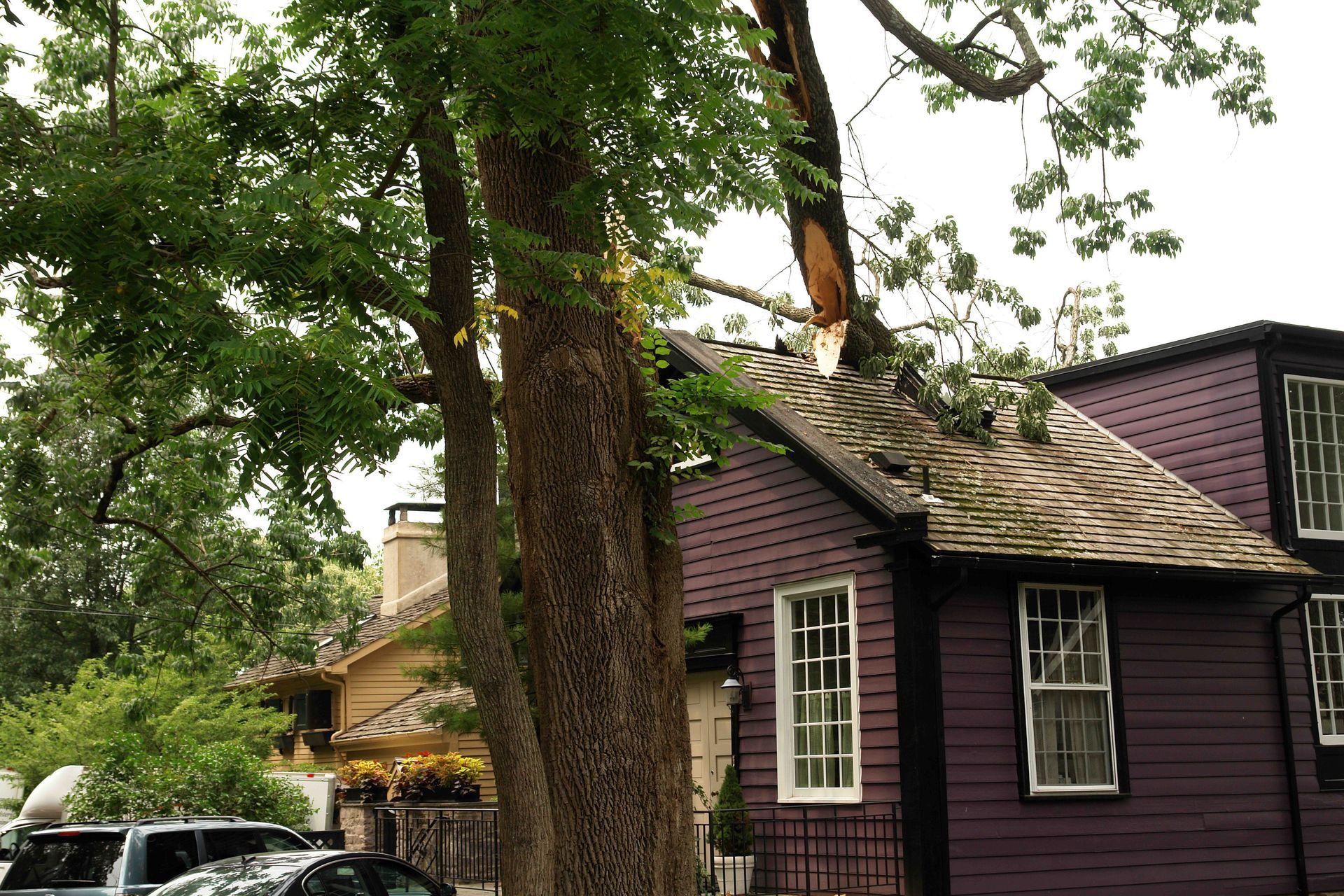
Sudden weather events, severe storms, falling tree limbs, and unexpected structural failures can severely compromise the upper protective shell of any residential building. When high winds tear away shingles or heavy debris punctures weather barriers, rain and atmospheric moisture rapidly penetrate underlying wooden decking and ceiling structures. A sudden leak can quickly saturate insulation, destroy drywall interior finishes, and foster biological growth inside hidden wall cavities. Property owners facing sudden structural breaches must recognize that addressing sudden damage with prompt roof repairs prevents widespread interior destruction and preserves structural stability. Delaying action after a major storm permits water to migrate along internal support beams, compromising electrical systems and weakening foundational framing. Understanding what steps to take during a structural crisis enables householders to act decisively, protecting family members and valuable personal possessions. Preparedness transforms a chaotic situation into a manageable restoration process, ensuring that temporary containment measures are applied before long-term structural fixes occur. Recognizing the importance of swift intervention remains the primary defense against progressive water damage, allowing homeowners to maintain a safe, dry, and resilient living environment across every season. Taking fast action protects entire household frameworks against progressive water degradation.
Identifying Immediate Signs of Storm Damage
Severe atmospheric conditions often leave clear physical indicators of damage across overhead weather barriers. High winds can lift, tear, or completely dislodge surface shingles, exposing vulnerable underlayment sheets to driving rain. Heavy hail impacts fracture protective mineral granules, creating subtle microscopic cracks that allow liquid infiltration over time. Following a major weather event, homeowners seeking reliable roof repairs must act quickly to conduct safe ground-level visual surveys around their property perimeters. Look for dislodged shingle tabs lying in the yard, heavy mineral sediment accumulating inside gutter downspouts, or displaced flashing strips near chimney joints. Inside the home, discolored ceiling spots, bubbling wall paint, and damp attic insulation signal active water penetration. Discovering these warning signs early prevents moisture from saturating structural rafters and causing ceiling panels to collapse under heavy water weight. Prompt visual checks allow property owners to spot physical breaches before internal living spaces suffer extensive water contamination. Establishing clear visual documentation immediately after severe weather provides essential evidence for subsequent insurance evaluations and technical assessments. Careful physical audits prevent hidden leaks from accelerating interior structural decay.
Mitigating Water Intrusion and Secondary Impacts
When severe storms compromise the integrity of protective upper barriers, preventing active water migration becomes the immediate operational priority. Allowing water to flow freely into interior spaces accelerates wood rot, ruins ceiling drywall, and damages electrical infrastructure within wall cavities. Property owners can take initial stabilization steps, such as placing heavy-duty collection containers beneath active ceiling drips and spreading plastic sheeting over furniture and flooring. Executing temporary fixes prior to comprehensive roof repairs helps minimize cumulative water damage while waiting for professional response teams to arrive on site. Securely fastening heavy waterproof tarpaulins over damaged exterior sections blocks driving rain and prevents wind gusts from peeling back loosened surface materials further. However, climbing onto wet, sloped surfaces during or immediately after severe weather presents extreme personal safety hazards, requiring specialized safety harnesses and commercial climbing equipment. Professional technicians possess the training and safety gear needed to secure exterior breaches rapidly under adverse conditions. Stopping moisture migration at the origin point protects internal structural components, keeps living areas functional, and limits total structural restoration requirements. Fast emergency responses safeguard underlying ceiling drywall from collapsing under water weight.
Understanding Common Causes of Overhead Failures
Emergency structural failures stem from various environmental hazards and physical factors that weaken protective materials over time. High wind gusts can create intense uplift pressure, tearing away shingle tabs and lifting metal flashing away from structural joints. Accumulated ice during cold weather creates dense ice dams along cold eaves, forcing standing water backward under shingle edges where it leaks into attic spaces. According to HomeAdvisor, 40% of residential property owners enlist professional roofing firms for urgent roof repairs each year. Overhanging tree branches represent another significant hazard, as strong storm winds can snap heavy limbs and drop them directly onto wooden decking. Furthermore, aging weather barriers naturally lose flexibility, becoming brittle and highly susceptible to sudden cracking during seasonal temperature swings. Understanding these underlying physical vulnerabilities allows property owners to anticipate potential structural breaches and implement preventive measures around their property perimeters. Recognizing how environmental stress impacts upper materials helps householders prepare for unexpected weather impacts while maintaining long-term physical resilience. Identifying material vulnerabilities empowers homeowners to protect their living quarters effectively.
Navigating Insurance Claims and Documentation
Filing an insurance claim following a major storm event requires thorough organization, detailed documentation, and clear communication with claims representatives. Immediately following an unexpected breach, property owners should photograph all visible external damage, dislodged components, and interior water stains from multiple viewing angles. Documenting physical degradation before initiating professional roof repairs streamlines the claims verification process and ensures that all structural compromises are accounted for. Keeping written records of temporary containment actions, such as tarpaulin installation and water removal, demonstrates proactive loss mitigation to insurance adjusters. Professional restoration specialists frequently assist homeowners by conducting comprehensive diagnostic reviews that identify hidden structural compromises, such as saturated underlayment or warped decking boards. These detailed technical reports provide objective physical evidence that supports comprehensive insurance claim submissions. Working alongside experienced restoration technicians ensures that necessary structural repairs are fully documented, allowing insurance representatives to process claims accurately. Proper documentation accelerates claim approvals, helping property owners restore their buildings to pristine condition without unnecessary delays. Systematic recordkeeping removes ambiguity during complex claim reviews.
Preventing Structural Compromise Through Timely Maintenance
While unexpected weather events remain unpredictable, maintaining an active preventive care routine significantly reduces vulnerability to sudden structural breaches. Routine physical evaluations conducted periodically throughout the year help identify aging shingles, cracked sealants, and loose perimeter flashing before severe storms strike. Clearing organic debris from gutter channels and drainage valleys prevents standing water from backing up beneath surface materials during heavy rainstorms. Trimming overhanging tree limbs eliminates physical impact risks and prevents falling leaves from trapping moisture against delicate shingle granules. Additionally, scheduling proactive maintenance reduces the overall need for sudden roof repairs by addressing minor physical wear before environmental pressure causes widespread material failure. Inspecting attic ventilation systems ensures proper thermal balance, preventing heat buildup in summer and ice dam formation during winter periods. Taking proactive preservation steps extends the operational lifespan of weatherproofing materials, preserves structural decking, and maintains complete indoor comfort. Investing in continuous care for protective upper barriers safeguards property investments and ensures long-term defense against severe weather patterns. Routine upkeep protects residential structures against sudden environmental degradation.
Navigating an unexpected structural crisis requires swift action, clear safety protocols, and effective containment strategies to protect interior living spaces. Recognizing physical damage indicators, deploying temporary water containment barriers, documenting material degradation, and maintaining proactive maintenance routines preserve total building integrity. Addressing physical breaches immediately prevents water migration, halts structural rot, and eliminates secondary damage within internal wall cavities. Investing in timely roof repairs preserves structural safety, maintains property values, and ensures long-term defense against unpredictable weather events. Protecting your property from sudden storm impacts requires expert technical evaluations and comprehensive restoration care. If you are ready for reliable overhead protection, contact us at Bland Roofing Company, Inc. today. We will help you restore safety, integrity, and complete weatherproofing to your residential property.